Lakeside Walking Routes for Seniors
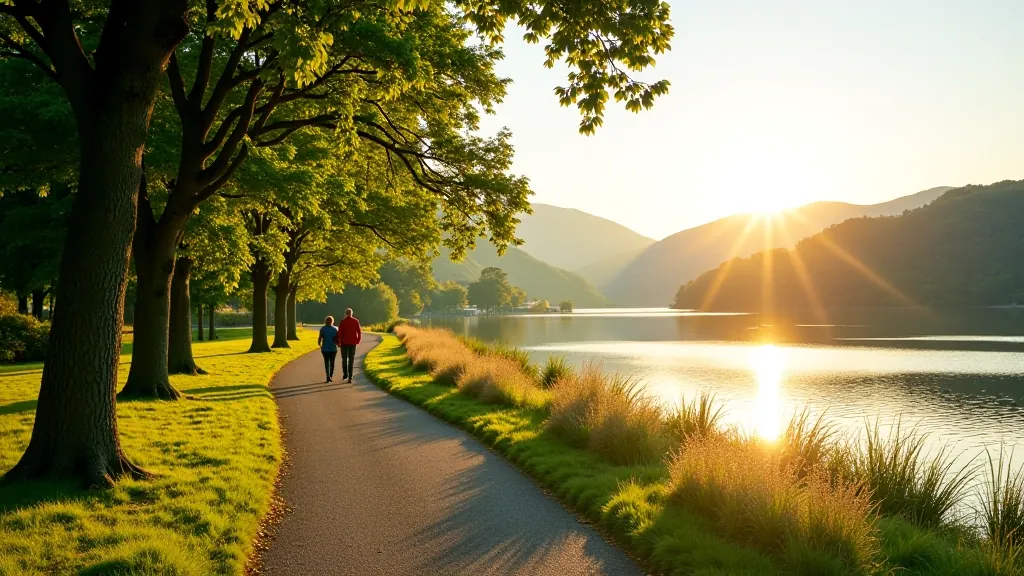
Gentle paths around Killarney's lakes with rest benches and scenic views. Perfect for a peaceful morning or afternoon stroll.
Birds, deer, and native wildlife. We've identified the quietest spots where you're most likely to see them without much walking.

Wildlife watching doesn't require expensive gear or marathon hikes. You don't need to be a birder or naturalist — just someone who wants to spend quiet time outdoors and maybe catch a glimpse of what lives around you. The key is knowing where to go and when to look.
We've spent the last few years documenting wildlife activity across Killarney National Park, paying special attention to places accessible without strenuous walking. What we've found is encouraging: the animals are there. Red squirrels, roe deer, grey herons, and a surprising variety of birds visit the same spots regularly. You just need to know which benches have the best sightlines, which times are quietest, and what signs to look for.
This guide focuses on practical observation — the kind you can do while sitting on a bench with a cup of tea and a pair of binoculars.
We've tested over 20 spots across the park. These four consistently deliver sightings with minimal effort.
The manicured gardens around Muckross House attract deer early morning and late afternoon. The walking path is flat, benches are frequent, and you're protected from wind. We've seen roe deer within 50 metres of the main seating area most visits between 6-8am. The herons fish in the small pond near the house — easy to spot from the terrace.
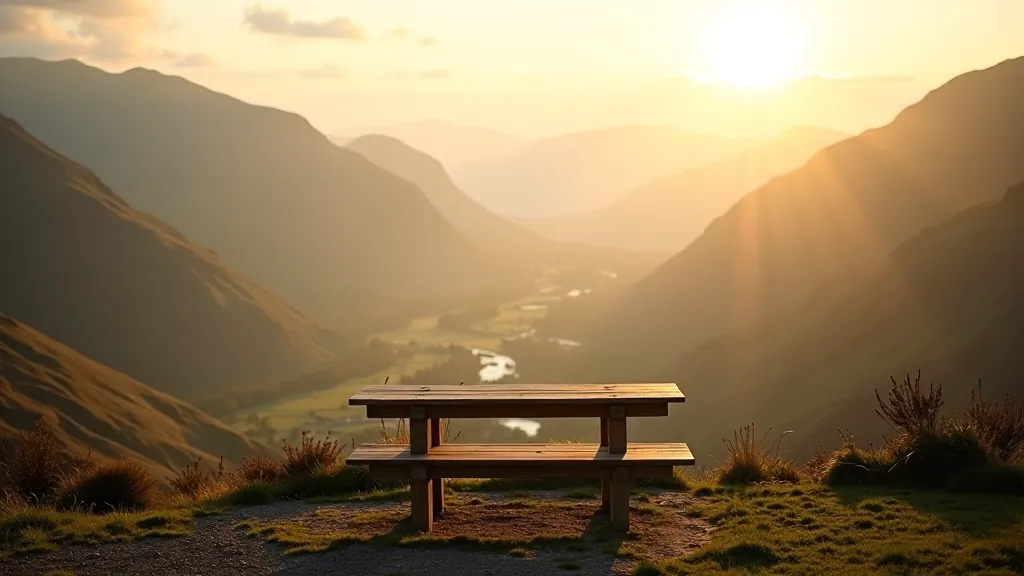
Yes, it's popular with tour groups at midday. But visit early (before 8am) or after 4pm and it's peaceful. The elevated position gives you sightlines across the valleys. Red squirrels are active in the surrounding oak trees. Buzzards soar overhead regularly. One bench faces directly into a tree where woodpeckers visit — we've recorded at least three species.
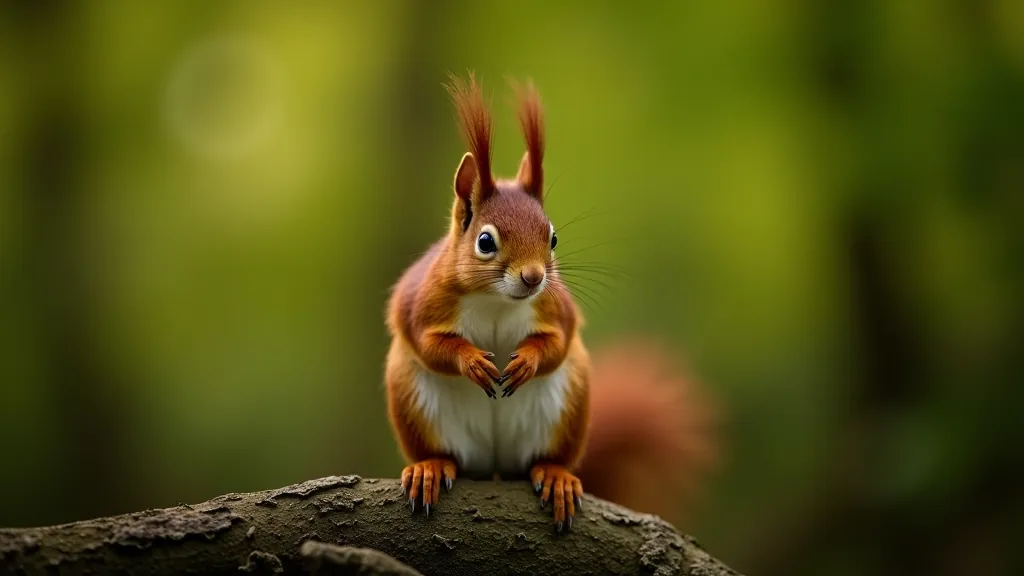
Here's the honest list. You won't see everything every visit — that's part of the appeal. But these are realistic sightings in Killarney.
Most reliable sighting. They're everywhere in the oak-heavy areas. Active throughout the day but quieter in extreme heat. Size: roughly 20cm body length. Distinctive: reddish fur, ear tufts, bushy tail. They'll get within 10 metres if you stay still and quiet.
Smaller than you might expect — about 65cm at the shoulder. Tan-brown color, short tails, distinctive white rump patch. Most active dawn and dusk. We've recorded sightings in 85% of early morning visits to Muckross. They're cautious but curious if you don't move suddenly.
Unmistakable if you see one — nearly a metre tall, blue-grey plumage, long neck. They fish in shallow water and sit motionless for minutes. We've spotted them consistently near the ponds and stream areas. Patience is required but worth it.
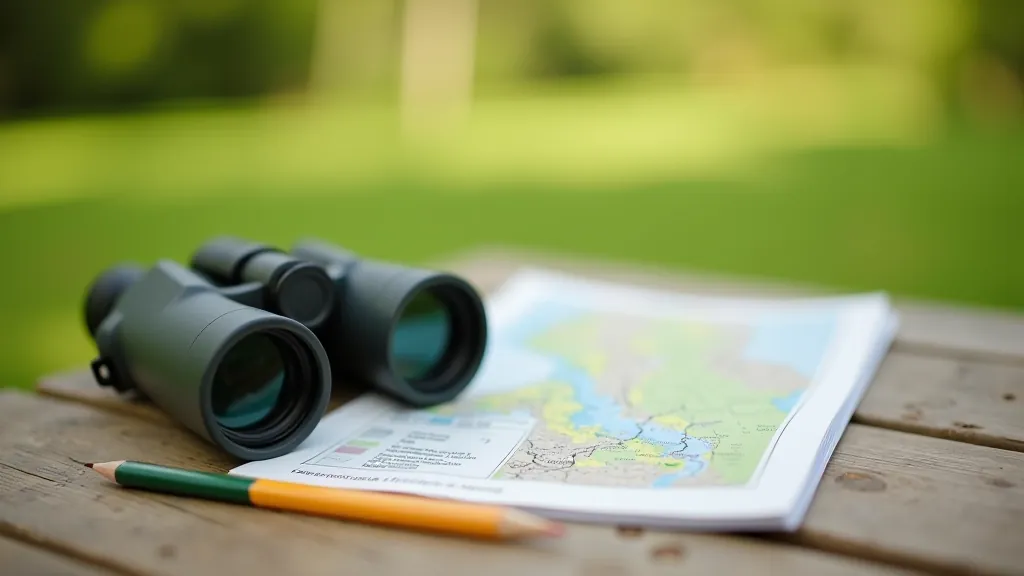
You don't need much. Honestly, binoculars are the only essential item, and you can borrow them to start.
Binoculars (8x42 magnification): We recommend 8x42 over higher magnification — they're steadier without hand tremor, and the wider field of view is better for spotting. Budget option: €80-120. Better quality: €200-300. You'll use them constantly.
Small notebook: You'll want to record what you see — species, time, behavior. It helps you remember patterns and improves your skills. A waterproof one costs about €10-15.
Field guide: A laminated bird or wildlife guide for Killarney (€15-25). Helps with identification. Smartphone apps work too — Merlin Bird ID is free and excellent.
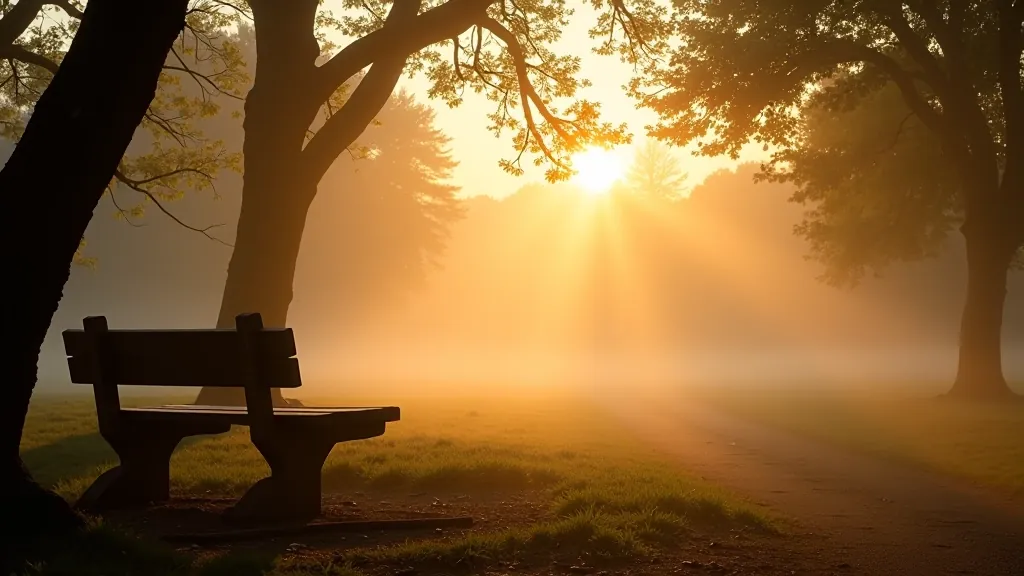
Here's where wildlife watching differs from hiking. You're not walking to get somewhere — you're sitting to see what comes. It sounds passive, but it requires patience and attention.
Early morning (6-8am) is consistently best. Animals are active, light is good, and there are fewer people. Late afternoon (4-6pm) is secondary. Midday is quietest for wildlife — they shelter in heat. Rainy days are excellent because fewer tourists are out and animals are more active.
Find a good bench. Sit facing toward vegetation or water — that's where movement happens. Don't stare fixedly — it's exhausting. Glance around every 30 seconds. Watch for movement rather than expecting to see complete animals. Often you'll notice a flick of ears, a flash of tail, movement in branches before you see the whole creature. That's actually the fun part — piecing together what you're seeing.
Plan for 90 minutes minimum. We've found that in the first 30 minutes, animals are cautious. By 60-90 minutes, they're used to your presence and activity increases. Bring a book or journal. Some of the best sightings happen when you're not staring intently.
Browns, greens, greys. Animals don't care much about color but bright clothing can spook them. Don't stress — they're used to people in the park.
When walking to your spot, move at normal pace but smoothly. Sudden movements trigger alert responses. Once seated, stillness is key.
Sound carries in the park. Voices scatter birds and alert larger animals. If visiting with others, speak in whispers. Phone on silent.
If an animal appears closer than expected, don't approach. Stay still. Most will move away at their own pace. Never pursue or try to photograph close-up.
Animals learn patterns too. Visit the same spot regularly and they'll become more habituated to your presence. You'll also learn their patterns.
Note dates, times, species, behavior, weather. After a few months you'll see patterns that make future visits more successful.

You don't need to commit to anything ambitious. Pick one of the viewing locations. Check a weather forecast and pick a morning that looks good. Bring binoculars and a notebook. Sit for 90 minutes and watch.
You might see nothing. That's actually okay — it teaches you patience and sharpens your observation skills. You might see something remarkable. Most likely you'll see a few birds, maybe a squirrel, and come away with a peaceful morning and a sense of connection to the place.
Wildlife watching isn't about ticking off a species list or getting perfect photographs. It's about slowing down, paying attention, and recognizing that the animals are there — they've always been there. You're just learning to notice.
Ready to explore more ways to enjoy Killarney? Check out our guides to walking routes and picnic spots.
Explore More ActivitiesThis article provides educational information about wildlife observation in Killarney National Park based on general observation practices. Wildlife sightings vary by season, weather, and time. This guide is informational and not a guarantee of specific animal encounters. Always respect park regulations, maintain safe distance from wildlife, and follow guidance from park staff. Weather conditions and park access may change — check official Killarney National Park resources before planning your visit.