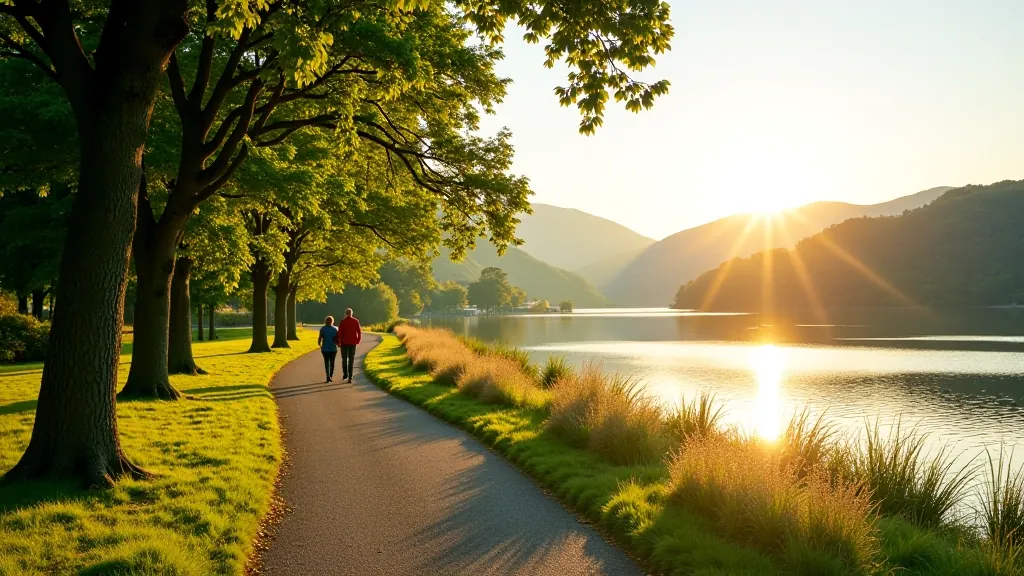
Killarney's lakeside paths offer something special for walkers who want to move at their own pace. We're not talking about strenuous hikes or crowded tourist trails. These routes are gentle, well-maintained, and designed with plenty of places to rest and simply enjoy the view. Most importantly, they're accessible — which means you can actually enjoy the walk instead of worrying about managing steep slopes or rough terrain.
Why These Routes Work for Leisurely Walking
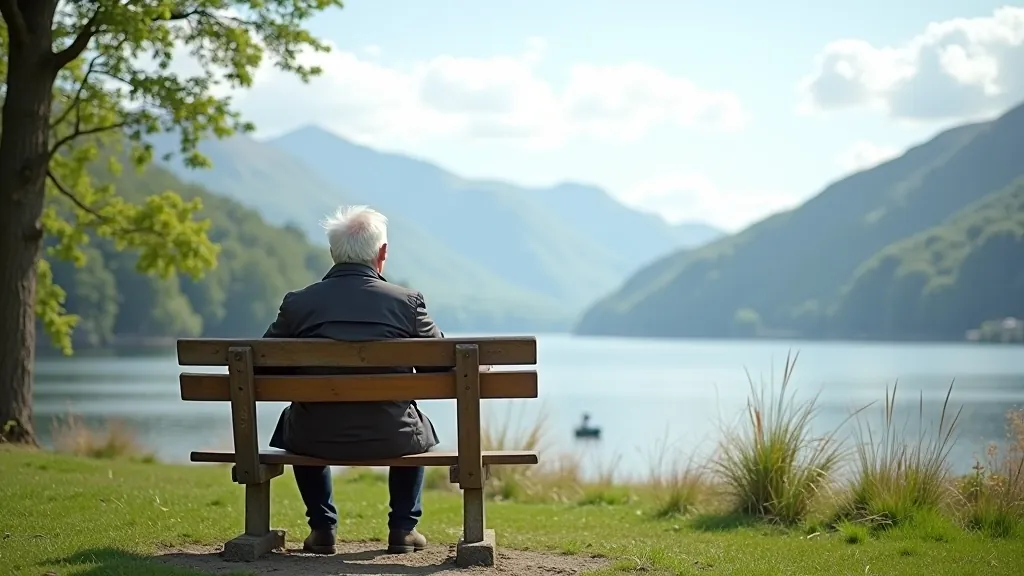
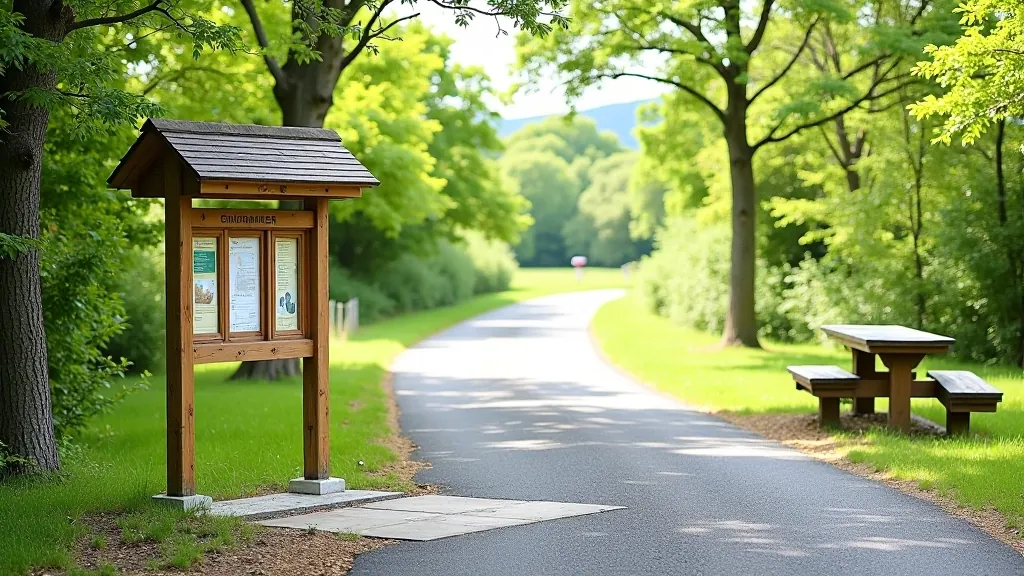
The beauty of Killarney's lake walks is that you're never far from a bench. We've tested these routes ourselves, and the benches are genuinely useful — positioned at viewpoints where you'll actually want to sit and pause. No long stretches between rest stops. The paths follow the water's edge, so there's something interesting to look at whether you're moving or standing still.
The terrain matters too. These aren't rocky mountain passes. Most paths use compacted gravel or well-maintained dirt surfaces that won't trip you up. Even better, the routes are relatively flat. You're walking alongside the lakes, not climbing around them. That's the real advantage — you get the scenery without the strain.
The Golden Rule
Walk at your own pace. Killarney isn't a race. If you need to stop every 5 minutes and just breathe in the lake air, that's perfect. That's exactly what these paths are for.
The Muckross Lake Circuit
This is probably the most popular route, and honestly, it's the most forgiving. The full circuit is about 4.5 kilometers, but here's the thing — you don't have to do the whole thing. You can walk to the first bench, enjoy the view, and turn back. Or go halfway and loop back. That's the beauty of a circuit.
The path hugs the water almost the entire way. You'll see the lake on your left, and behind it, the mountains create this perfect frame for photos. The first 20 minutes are flat and easy. There's a small incline around the halfway point, but nothing steep — it's barely noticeable if you take it slowly. After that, it's mostly downhill or level back to the car park.
Benches appear regularly. We counted at least 8 well-positioned rest spots along the route. The best ones face directly across the water toward the mountain views. Spring and early summer are ideal — you'll have wildflowers on the path and water that actually sparkles instead of looking grey.
What to Bring
- Water bottle (the route doesn't have drinking fountains)
- Comfortable walking shoes with decent grip
- Light jacket (weather changes quickly by the water)
- Hat or cap for sun protection
- Camera — you'll want it
Lough Leane: The Longer Option
If you're looking for something a bit longer but still manageable, the Lough Leane waterside walk is worth considering. This one runs about 6 kilometers if you do the full loop, but again, you control the distance. You can walk for 30 minutes and head back without any problem.
The difference with Lough Leane is that the scenery changes more as you walk. You start through woodland, then emerge onto open lakeside sections, then back into trees. That variation keeps things interesting. The path is slightly more natural — less refined than Muckross — which some people prefer. It feels less touristy. But it's still well-walked and clearly marked.
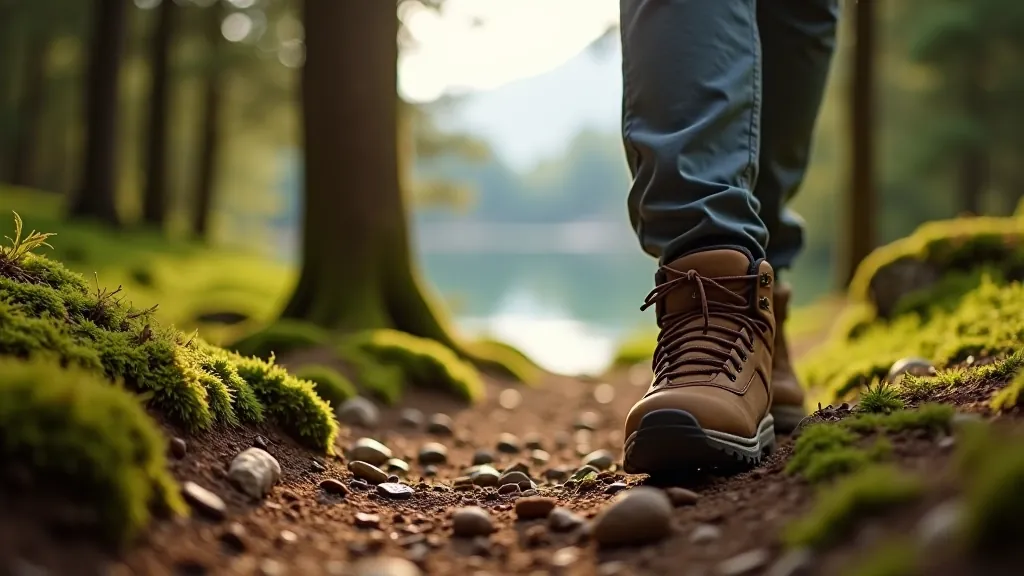
The benches here are fewer and further apart than Muckross, so this route works better if you're comfortable walking for 15-20 minutes at a stretch. The terrain is similar — mostly flat with gentle slopes — but there are a few rooty sections where you need to watch your footing.
Best Times to Walk
Early morning is quieter if you prefer fewer people around. You'll have the paths mostly to yourself. Midday gets busier with tour groups, especially in summer. Late afternoon — say 3 to 5 pm — offers the best light for photos and the weather is usually calmer.
Avoid walking right after heavy rain. The paths dry quickly, but muddy sections can be slippery. Winter walks are possible but colder, so bring extra layers.
Small Paths Worth Exploring
Not every lakeside route is a formal circuit. There are smaller paths that branch off from the main routes — often leading to quiet coves or little viewing spots. These aren't on every map, but locals know them. You might find a tiny beach area perfect for sitting, or a section of path so sheltered that it feels completely private even though you're in a national park.
The trick with exploring these smaller paths is to go slowly and stay aware. They're safe, but they're less frequently walked, so they can be rougher underfoot. But that's also what makes them special. You get views that most visitors miss.
Safety Tips for Solo Walking
Making It a Regular Thing
We've noticed that people who do these walks regularly develop favorites. Maybe it's a particular bench with the best view, or a section of path where the light hits the water perfectly at a certain time of day. That familiarity is part of what makes these walks so rewarding. You're not chasing distance or speed. You're building a relationship with a place.
If you're thinking about making this a weekly habit, the good news is that these paths don't get boring. Seasonal changes transform how they look. Winter brings bare trees and sharp light. Spring fills them with color. Summer's long evenings mean you can walk at 7 pm and still have good visibility. Autumn is probably the most spectacular — the light is warm, the crowds have thinned, and the reflections in the water are stunning.
Practical Details
Parking is available at multiple points along the routes. Muckross has a large car park right at the trailhead. Lough Leane has smaller parking areas but they're usually less crowded. Most parking is free, though some areas request a small donation to maintain the paths.
Facilities include toilets near the main car parks, and there's a café nearby if you want tea after your walk. Neither is fancy, but they're functional and welcoming.
The Real Value
These lakeside routes aren't about achievement or completing something ambitious. They're about the simple pleasure of moving through a beautiful landscape at your own pace. The benches aren't failures — they're the whole point. You sit, you breathe, you watch the water. That's not wasting time. That's exactly what you came for.
Killarney's lake walks have been enjoyed for generations. They're still here because they work. Come and see why.